
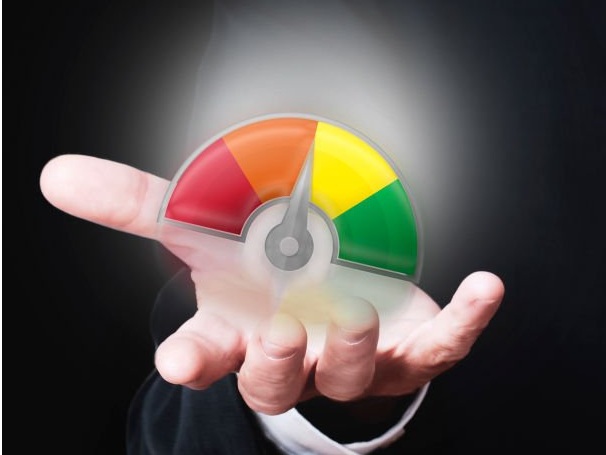
How to maintain a healthy credit score during income or financial changes
Financial changes like job shifts, salary changes, or new expenses can affect your credit behavior.
If not managed properly, they may impact your credit score.
Understanding how to adjust during these periods helps you stay financially stable.
Why Financial Changes Matter
Changes in income or expenses can affect your ability to manage credit.
Common situations include:
– Job change or job loss
– Salary increase or decrease
– New financial responsibilities
– Unexpected expenses
These can influence your payment and spending habits.
Quick Tip
Always prioritize paying your credit card bills on time, even during financial changes.
Managing Payments During Changes
Maintaining payment discipline is critical.
To manage effectively:
– Set auto-pay for minimum due
– Avoid missing due dates
– Plan expenses based on income
– Keep track of all bills
Timely payments protect your credit score.
Controlling Credit Usage
During financial changes, spending control becomes important.
Best practices:
– Reduce unnecessary expenses
– Keep utilization below 30%
– Avoid maxing out credit cards
– Use credit only when needed
This helps maintain a stable credit profile.
Important
Avoid applying for new credit during uncertain financial periods, as it may increase risk.
Building Financial Stability
Adapting to changes helps maintain long-term credit health.
Focus on:
– Creating an emergency fund
– Monitoring your credit report
– Adjusting spending habits
– Keeping existing accounts active
These steps ensure consistency.
Bottom Line
Financial changes are normal, but your credit habits should remain stable.
By managing payments and controlling spending, you can maintain a healthy credit score even during uncertain times.
For informational purposes only. Credit outcomes may vary based on individual financial behavior.