
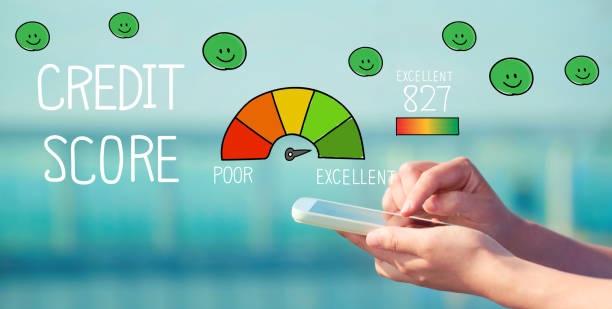
How behavioral patterns influence credit scoring algorithms and lender decisions
Credit scoring models analyze not just your balances, but also your financial behavior over time.
Patterns like spending habits, repayment consistency, and credit usage trends play a key role in determining your creditworthiness.
Understanding these patterns helps you maintain a stronger credit profile.
Why Behavioral Patterns Matter
Your credit score is influenced by how you use credit, not just how much you owe.
Common behavioral signals include:
– Frequently maxing out credit cards
– Sudden spikes in spending
– Irregular payment habits
– Opening multiple accounts quickly
These behaviors may indicate higher risk to lenders.
Quick Tip
Maintain consistent spending and repayment habits to build trust with credit scoring models.
High-Risk Behavioral Patterns
Certain actions can negatively impact your credit score.
Watch out for:
– Maxing out cards frequently
– Missing or delaying payments
– Applying for multiple credits in a short time
– Rapid increase in debt
These patterns signal financial instability.
Positive Behavioral Signals
Good habits improve your credit profile over time.
Best practices:
– Paying bills on time consistently
– Keeping credit utilization low
– Maintaining long-term accounts
– Using credit moderately
Consistency is more important than occasional improvements.
Important
Avoid sudden changes in credit behavior, as abrupt patterns can negatively affect scoring algorithms.
How to Build Stable Credit Behavior
Long-term stability is key to a strong credit score.
Focus on:
– Maintaining steady spending habits
– Avoiding large fluctuations in balances
– Keeping old accounts active
– Monitoring your credit regularly
Predictable behavior builds lender confidence.
Bottom Line
Credit scoring algorithms prioritize consistent and predictable behavior over time.
By avoiding risky patterns and maintaining disciplined habits, you can strengthen your credit profile and improve long-term financial opportunities.
For informational purposes only. Credit outcomes may vary based on individual financial behavior.