
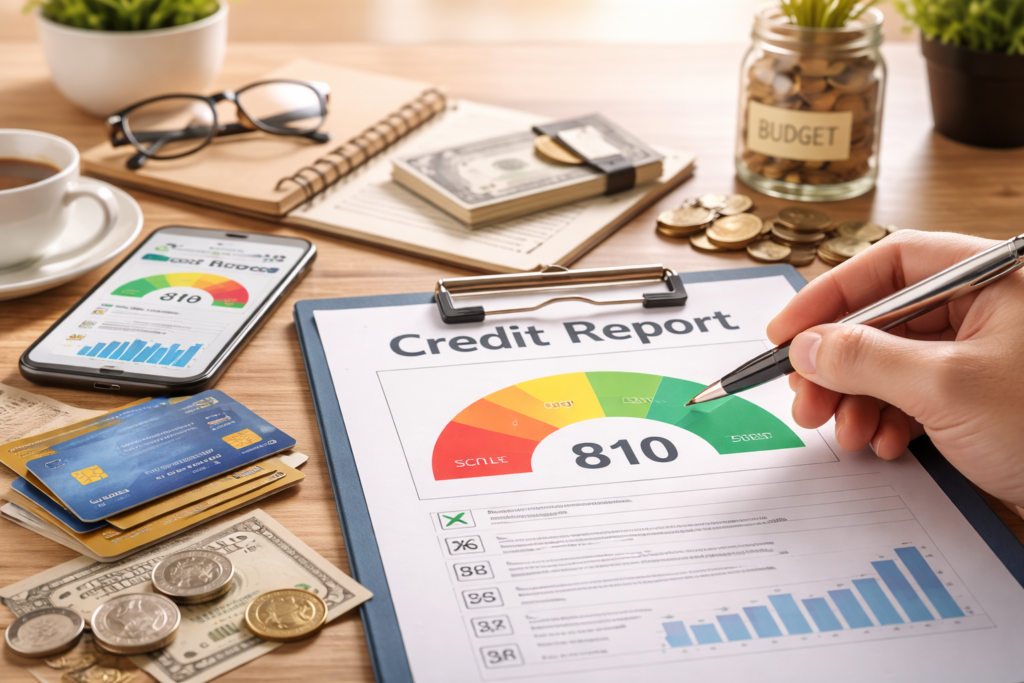
Improve your credit behavior to secure better mortgage rates and stronger financial opportunities
Your credit behavior directly influences the interest rates and terms lenders offer on your mortgage.
Small improvements in how you manage credit can lead to significant long-term savings.
Understanding these patterns helps you position yourself as a low-risk borrower.
Why Credit Behavior Matters
Lenders evaluate more than just your credit score—they analyze your overall credit habits.
Key factors include:
– Payment history
– Credit utilization
– Credit mix
– Length of credit history
Strong behavior signals reliability and reduces perceived risk.
Quick Tip
Keeping your credit utilization below 30% can positively impact your credit profile and improve loan terms.
Improving Payment Discipline
Timely payments are one of the most important factors in credit evaluation.
Benefits include:
– Higher credit scores
– Lower interest rates
– Better loan approval chances
Even a single missed payment can negatively affect your profile.
Managing Credit Utilization
Using too much of your available credit can signal financial stress.
To optimize:
– Keep balances low
– Avoid maxing out cards
– Spread usage across accounts
Lower utilization improves your creditworthiness.
Important
Avoid frequent hard inquiries, as multiple loan or credit applications can temporarily lower your credit score.
Maintaining a Strong Credit Profile
Consistency is key to long-term credit health.
Focus on:
– Keeping old accounts active
– Maintaining a healthy credit mix
– Monitoring your credit report regularly
These habits build a strong and stable credit profile.
Bottom Line
Optimizing your credit behavior is one of the most effective ways to secure better mortgage rates.
By maintaining strong financial habits, you can reduce borrowing costs and improve your overall financial position.
For informational purposes only. Credit outcomes may vary based on individual financial behavior and lender policies.