
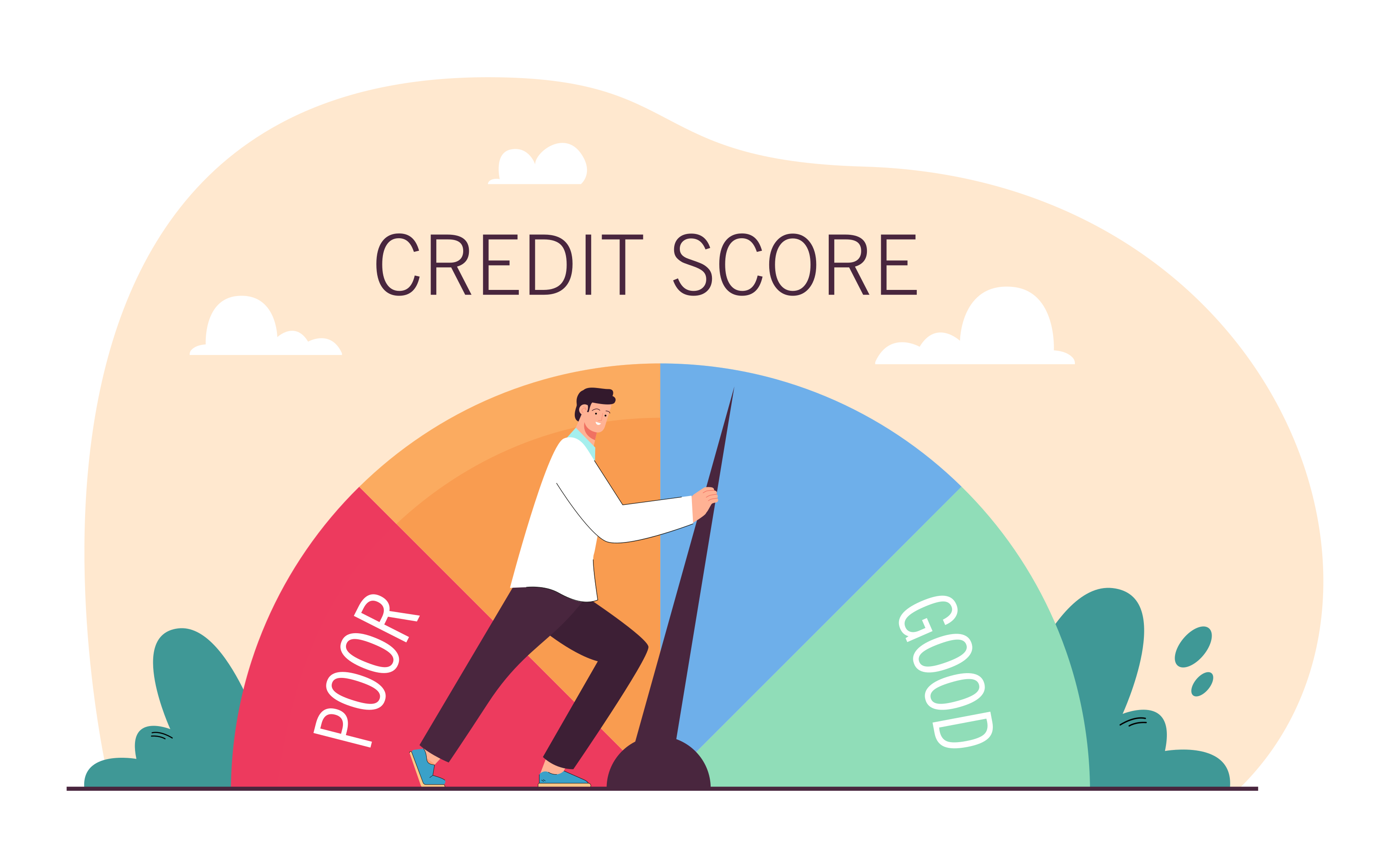
A friendly step-by-step guide to establishing your credit history from zero
Starting with no credit history can feel like a catch-22 — you need credit to build credit. Lenders want to see a track record before approving you, but how do you get a track record if nobody will give you a chance?
The good news: there are several well-established ways to break into the credit system even with zero history. This article walks you through each one, from the easiest starting points to smart habits that build momentum fast.
Why Starting Early Matters
One of the five factors in your credit score is the length of your credit history. The clock starts ticking the moment you open your first account. That means the sooner you start — even with a small, simple account — the longer your history will be when you need it most, like when applying for a car loan, mortgage, or apartment.
You don’t need to borrow a lot of money to build good credit. You just need to start, be consistent, and be patient.
How Long Does It Take?
Most people can establish a scoreable credit file within 3–6 months of opening their first account. Reaching a “Good” score of 670+ typically takes 12–18 months of consistent responsible use.
Option 1 — Get a Secured Credit Card
A secured credit card is the most popular and reliable way to build credit from scratch. Here’s how it works: you make a refundable deposit — usually $200–$500 — which becomes your credit limit. You then use the card like a normal credit card and pay the balance each month.
The card issuer reports your payment activity to the credit bureaus every month, which is exactly how your credit history gets built. After 6–12 months of responsible use, many secured cards automatically upgrade you to a regular unsecured card and return your deposit.
Best Secured Cards for Beginners
Discover it Secured — No annual fee, earns cashback rewards, automatic upgrade review after 7 months.
Capital One Platinum Secured — Low minimum deposit ($49), no annual fee, upgrade path after 6 months.
Chime Credit Builder — No minimum deposit, no interest, no annual fee. Linked to a Chime checking account.
How to use it correctly: Make one or two small purchases each month — a streaming subscription or groceries work well. Pay the full balance before the due date every single month. That’s it. Simple and effective.
Option 2 — Become an Authorized User
If you have a family member or close friend with a good credit history and responsible card habits, ask them to add you as an authorized user on their credit card account.
As an authorized user, their account history — including the age of the account and their payment record — gets added to your credit report. This can give your score a meaningful head start without you needing to apply for anything yourself.
You don’t even need to use the card. The account simply appearing on your report is what helps. Just make sure the primary cardholder has a strong payment history — their missed payments would also show up on your report.
Choose Carefully
Only become an authorized user on an account with a strong, consistent payment history and low utilization. If the primary cardholder misses payments or maxes out the card, it will hurt your credit too.
Option 3 — Apply for a Credit-Builder Loan
A credit-builder loan is a small loan specifically designed to help people establish credit. It works differently from a regular loan — instead of receiving the money upfront, the funds are held in a savings account while you make fixed monthly payments. Once you’ve paid off the loan, you receive the money.
Every on-time payment is reported to the credit bureaus, building your payment history. At the end you also have a small savings sum. It’s a win-win for first-timers.
Credit-builder loans are commonly offered by credit unions, community banks, and online lenders like Self and MoneyLion. Amounts typically range from $300 to $1,000 with terms of 12–24 months.
Option 4 — Apply for a Student Credit Card
If you’re currently enrolled in college or university, student credit cards are specifically designed for people with little or no credit history. They have more lenient approval requirements than standard cards and often come with rewards tailored to student spending — dining, entertainment, streaming services.
| Card | Annual Fee | Best Feature |
|---|---|---|
| Discover it Student Cash Back | $0 | First-year cashback match, no credit history required |
| Capital One SavorOne Student | $0 | 3% on dining, entertainment & streaming |
| Bank of America Student Cash Rewards | $0 | Choose your own 3% cashback category |
Option 5 — Report Your Rent and Utilities
Here’s something most beginners don’t know: your rent and utility payments don’t automatically appear on your credit report. But with the right services, you can add them — and get credit for bills you’re already paying.
Experian Boost — Free service that adds utility, phone, and streaming payments to your Experian credit report. Can instantly raise your Experian score.
Rental Kharma / RentTrack — Services that report your monthly rent payments to the credit bureaus. Some charge a small monthly fee but can be worth it for the score-building benefit.
Your First 12 Months — A Simple Game Plan
| Timeframe | Action |
|---|---|
| Month 1 | Open a secured card or become an authorized user. Set up autopay. |
| Months 2–3 | Use the card for small purchases only. Pay the full balance every month. |
| Month 3–6 | Check your score for the first time. It should now be scoreable. Sign up for Experian Boost. |
| Months 6–12 | Keep utilization below 30%. Consider a credit-builder loan to diversify your credit mix. |
| Month 12+ | Review upgrade options on your secured card. Your score should now be in the Fair to Good range. |
Bottom Line
Building credit from scratch isn’t complicated — it just takes a starting point and consistency. Open a secured card or become an authorized user, make small purchases, pay in full every month, and let time do the rest. Within a year you’ll have a real credit history and a score that opens doors.
You don’t need perfect credit to start. You just need to start — and the credit will follow.
For informational purposes only. Not financial advice. Card terms, loan availability, and credit-building services may vary. Always verify current details directly with the provider before applying.